Ceramic Components for Pumps, Valves & Seals
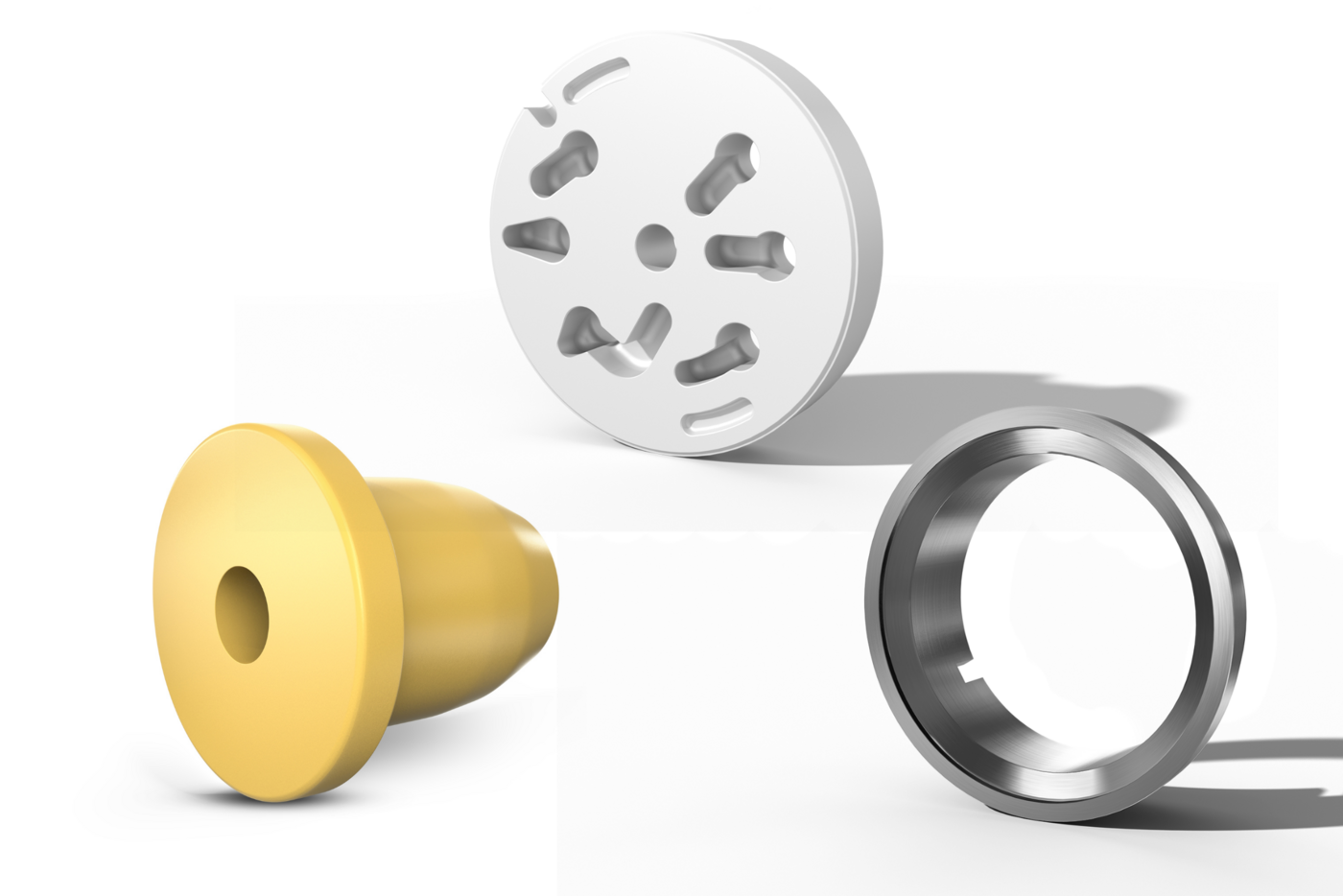
Pump components, valves and seals made of high-performance ceramics are characterised by their exceptional hardness, wear resistance and chemical resistance, making them ideal for demanding applications in mechanical and plant engineering, automotive engineering, medical equipment, household appliances and sanitary technology. Particularly under extreme conditions or wherever components are exposed to high stress, high-performance ceramics stand for process reliability, durability and therefore improved cost-effectiveness.
Thanks to our many years of expertise in materials and technology as well as our comprehensive application know-how, we design, develop and implement individual ceramic solutions that can help our customers achieve significant competitive advantages.





FAQ - Ceramic Components for Pumps, Valves & Seals
Why are technical ceramics suitable for pumps and valves?
In demanding industrial environments, CeramTec’s advanced ceramic solutions set standards for process reliability and performance. We have developed sliding, bearing, sealing, and control technologies using high-performance ceramics – with outstanding tribological, chemical, and physical properties. This enables the reliable, durable, cost-effective, and low-wear operation of highly stressed components in pumps, valves, machines, and systems, even under extreme operating conditions.
Which materials does CeramTec use for seals and pump components?
CeramTec uses high-performance ceramics such as aluminum oxide, zirconium oxide, silicon carbide, and silicon nitride. These materials deliver excellent results – both in terms of durability and reliability in aggressive media.
For which applications are CeramTec components in pumps and valves suitable?
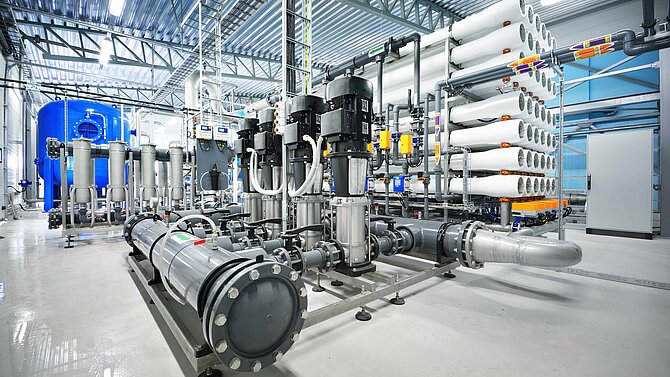
They are used in the chemical, petrochemical, and pharmaceutical industries, oil and gas, refineries, food processing, energy, water treatment, and many other sectors. The components impress with outstanding tribological, acid-resistant, and physical properties.
How does CeramTec support its customers in selecting components?
For every application and requirement profile – from micro-dosing pumps in medical technology to large power plant pumps – we develop customized solutions together with you, based on optimal material selection and configuration as well as customer-specific component design.
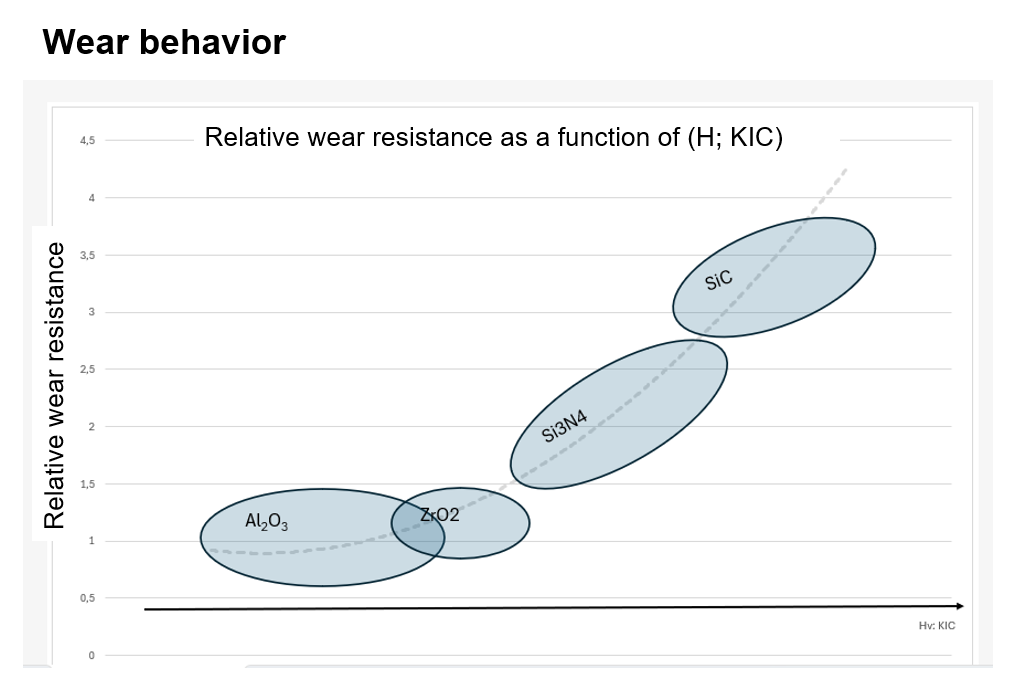
How do the materials differ in terms of wear resistance and temperature resistance?
The harder the material, the higher its wear resistance. Therefore, SiC materials exhibit the best wear properties.
Temperature resistance primarily depends on the presence of glass or metal phases in the ceramic. Their softening behavior determines temperature resistance. Accordingly, silicon carbide has comparatively very high temperature resistance.
How corrosion-resistant are the ceramics against specific chemicals?
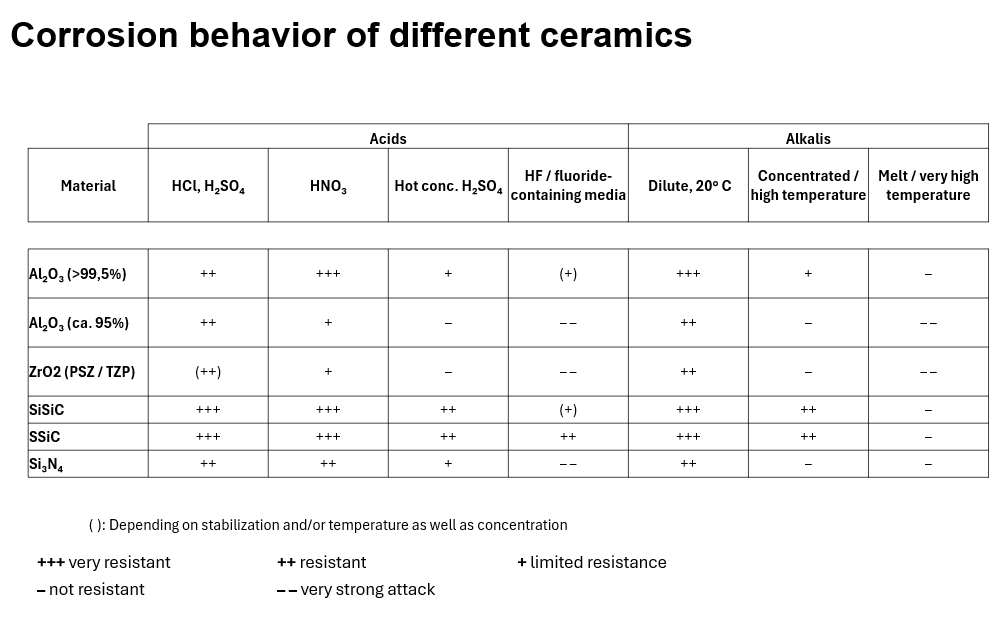
In general, ceramics have significantly higher corrosion resistance than metals. This also applies to resistance against chemicals. In principle, non-oxide ceramics have higher resistance compared to oxide ceramics. Furthermore, oxide ceramics show better resistance to acids than to alkaline solutions.
What advantages do ceramic components offer compared to metal or plastic?
Today, metals and plastics often no longer meet the steadily increasing material requirements of a wide range of applications. Ceramics benefit from their excellent material properties in terms of mechanical, thermal, electrical, and chemical resistance. This has positive effects when maintenance and repair costs must be reduced for commercial or technical reasons, and the focus is therefore placed on long-lasting components.
Do the ceramics comply with specific standards (e.g., ISO, …)?
Ceramic materials and their properties are defined in various ASTM and DIN ISO standards. In addition, various CeramTec ceramics are suitable and certified for applications involving contact with drinking water and food. Furthermore, some of the materials used are also biocompatible, enabling their use in a wide range of medical applications.